
What is Oud Perfume
What Is Oud? Complete Guide to Oud Perfume, Agarwood & Fragrance
What Is Oud?
Oud, also known as agarwood, is a rare and valuable natural oil extracted from the resinous heartwood of the Aquilaria tree. It forms when the tree becomes infected with a specific type of fungus, producing a dark, aromatic resin. This resin is distilled into oud oil, one of the most luxurious and long-lasting ingredients used in perfumes, especially in Arabic fragrances and oud perfumes.
What Is Agarwood & How Oud Is Made
Oud originates from the Aquilaria tree, primarily found in Southeast Asia. Under normal conditions, this tree produces light, pale wood. However, when it becomes naturally infected or physically wounded, it reacts by creating a dark, fragrant resin as a defense mechanism.
Over time, this resin saturates the heartwood, transforming it into what is known as agarwood. This resin-rich wood is then harvested, carefully processed, and distilled using traditional or modern methods to extract pure oud oil.
The process is slow and requires expertise. Not every tree produces oud, and even when it does, the quality varies depending on age, region, and resin concentration. This natural transformation is what makes oud one of the rarest and most prized fragrance ingredients in the world.
History of Oud
Oud has a rich history that dates back thousands of years. It has been deeply rooted in the traditions of the Middle East, South Asia, China, and Japan. Ancient civilizations used agarwood in religious rituals, meditation, and royal ceremonies.
In Islamic culture, oud holds a special place and has been used for personal fragrance and home incense. Similarly, in East Asia, it was burned during spiritual practices and considered a symbol of purity and status. Over time, oud became associated with luxury, spirituality, and sophistication across different cultures.
Today, oud continues to represent heritage and elegance while evolving into a global fragrance trend.
Why Is Oud So Expensive?
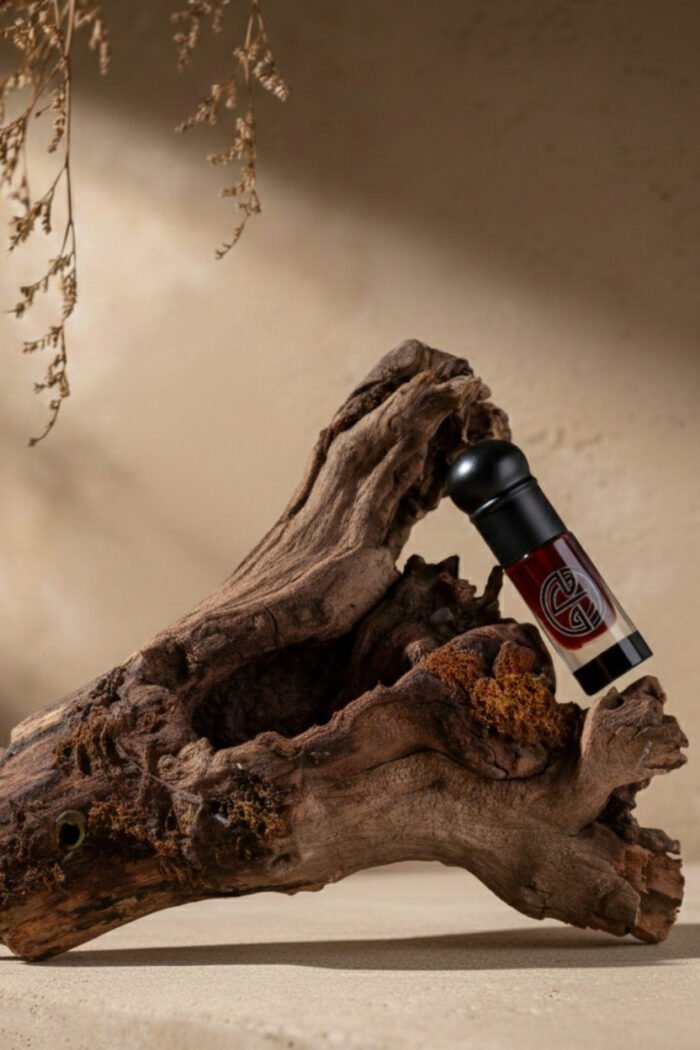
The high price of oud is directly linked to its rarity and the complexity of its production. Only a small percentage of Aquilaria trees naturally produce the resin required to create agarwood. It can take many years for the resin to develop, and harvesting requires careful selection and skilled processing.
Additionally, the extraction process is labor-intensive and time-consuming. Large amounts of agarwood are needed to produce even a small quantity of oud oil. Because of this limited supply and growing global demand, oud is often referred to as “liquid gold.”
The uniqueness of each batch, influenced by region and natural conditions, further increases its value and exclusivity in the perfume industry.
What Does Oud Smell Like?
Oud has one of the most complex and distinctive scent profiles in perfumery. Its aroma is often described as deep, woody, smoky, and slightly sweet, with animalic and resinous undertones.
Unlike synthetic fragrances, oud evolves over time on the skin. It opens with a strong, rich presence and gradually reveals softer, warmer layers. The scent is long-lasting and leaves a powerful impression, making it a signature ingredient in luxury perfumes and niche fragrances.
Perfumers often blend oud with floral, spicy, or musky notes to create balanced compositions that appeal to both modern and traditional fragrance lovers.
Types of Oud
Oud varies significantly depending on its origin, and each region produces a unique scent profile.
Indian oud, also known as Hindi oud, is strong, bold, and deeply smoky. It is often preferred by experienced users who appreciate intense fragrances. Cambodian oud is smoother and slightly sweet, making it more approachable for beginners.
Thai and Laotian oud are lighter, sometimes with fruity or creamy nuances, while Malaysian oud offers a balanced profile between depth and softness. Sri Lankan oud is warm and slightly spicy, commonly used in blended perfumes.
Another important distinction is between wild oud and cultivated oud. Wild oud is naturally formed in forests and is extremely rare and expensive, while cultivated oud is produced through controlled methods and is more affordable, yet still maintains a pleasant aroma.
Natural vs Synthetic Oud
Natural oud is extracted directly from agarwood and carries a rich, evolving scent that cannot be fully replicated. It is highly valued for its authenticity, depth, and long-lasting performance.
Synthetic oud, on the other hand, is created in laboratories to mimic the scent of natural oud. While it is more affordable and widely used in commercial perfumes, it often lacks the complexity and richness of real oud.
Many modern fragrances combine both natural and synthetic elements to achieve a balance between cost and performance.
Oud in Perfumery
Oud plays a central role in both traditional and modern perfumery. In the Middle East, it has long been used in pure oil form, attars, and incense. Today, it is also a key ingredient in designer and niche perfumes worldwide.
Luxury brands incorporate oud to add depth, warmth, and uniqueness to their creations. It is commonly used as a base note, enhancing the longevity and richness of the fragrance.
The growing popularity of oud in Western markets has made it a global symbol of sophistication and elegance.
Oud vs Other Fragrances
Oud differs significantly from other fragrance types. Compared to attar, which is typically a blend of natural oils, oud can be used both as a standalone oil and as part of a composition. Unlike bakhoor, which is burned to scent spaces, oud is primarily applied directly to the skin or used in perfumes.
When compared to musk, oud is more intense and woody, while musk tends to be softer and powdery. Western perfumes often focus on floral or citrus notes, whereas oud-based fragrances emphasize depth, warmth, and longevity.
How to Use Oud
Using oud properly enhances its performance and overall experience. When applying oud oil, a small amount is enough due to its high concentration. It is best applied to pulse points such as the wrists, neck, and behind the ears, where body heat helps diffuse the fragrance.
Oud perfumes can be sprayed lightly on clothing or skin for a long-lasting effect. For home fragrance, agarwood chips or bakhoor can be burned to release a rich, aromatic smoke that fills the space.
Proper storage is also important. Oud should be kept in a cool, dark place to preserve its quality and scent over time.
Benefits of Oud
Oud is valued not only for its fragrance but also for its sensory and emotional impact. Its long-lasting nature makes it ideal for all-day wear, while its rich aroma creates a feeling of luxury and confidence.
Many people use oud for relaxation and aromatherapy, as its scent can be calming and grounding. Its cultural significance adds to its appeal, making it more than just a fragrance—it becomes a personal statement and experience.
Oud for Beginners
For those new to oud, starting with lighter and sweeter variations is recommended. Cambodian or blended oud perfumes are often more approachable compared to strong, smoky types like Indian oud.
Understanding personal preference is key. Some people prefer soft, subtle scents, while others enjoy bold and intense fragrances. Exploring different blends helps in finding the perfect match.
How to Choose the Right Oud Perfume
Choosing the right oud perfume depends on several factors, including occasion, season, and personal style. Lighter oud blends work well for daily use, while deeper and more intense fragrances are suitable for evening wear or special occasions.
Climate also plays a role. In warmer regions, balanced or slightly fresh oud blends are preferred, whereas in cooler weather, stronger and richer scents perform better.
Selecting a high-quality fragrance ensures better longevity, projection, and overall experience.
Oud for Men vs Women
Oud is a versatile ingredient used in both men’s and women’s fragrances. Masculine blends often highlight woody, smoky, and leathery notes, creating a bold and powerful scent profile.
Feminine oud perfumes usually combine oud with floral or sweet notes, resulting in a softer and more elegant fragrance. Unisex oud perfumes balance both aspects, making them suitable for anyone who appreciates depth and complexity.
Oud Price Guide
The price of oud varies widely depending on its quality, origin, and concentration. Pure oud oil is the most expensive due to its rarity and extraction process, while blended perfumes are more affordable and accessible.
Understanding the difference between authentic and synthetic oud helps in making informed purchasing decisions.
How to Identify Real Oud
Authentic oud has a rich, layered scent that evolves over time. It does not smell flat or overly synthetic. Real oud is also long-lasting and becomes more refined as it settles on the skin.
Checking the source, ingredients, and reputation of the seller is essential to ensure authenticity.
Oud in Modern Market
Oud has transitioned from a traditional Middle Eastern ingredient to a global luxury trend. Today, it is featured in high-end perfumes across Europe, the United States, and Asia.
Its unique scent profile and cultural heritage make it highly desirable among fragrance enthusiasts. As demand continues to grow, oud remains a symbol of exclusivity and refinement.
What is oud in perfume?
Oud is a natural oil derived from agarwood, used as a base note in perfumes for its deep, long-lasting scent.
Why is oud so expensive?
Oud is rare, takes years to form, and requires a complex extraction process, making it one of the most valuable perfume ingredients.
Is oud long-lasting?
Yes, oud is known for its strong longevity and can last for hours or even days on skin and clothing.
Is oud suitable for daily use?
Yes, lighter oud blends are suitable for everyday wear, while stronger ones are ideal for special occasions.
What is the difference between oud and bakhoor?
Oud is an oil extracted from agarwood, while bakhoor consists of scented wood chips burned for home fragrance.